


For the footwear and textile industries, choosing the right manufacturer is essential. There are several shoelace tipping film manufacturers in Indonesia that can enhance the quality of your products—it’s just a matter of selecting the right one!
Despite its small size, shoelace tipping film plays a major role in protecting the ends of laces from fraying, ensuring products remain comfortable to use while increasing their aesthetic value.
As market demands evolve, various types of tipping films have emerged with distinct characteristics and functions, catering to shoelaces, apparel drawstrings, and cords for other products. Therefore, understanding its definition, function, and types is crucial before deciding on a manufacturer for your business.
What Is Shoelace Tipping Film?
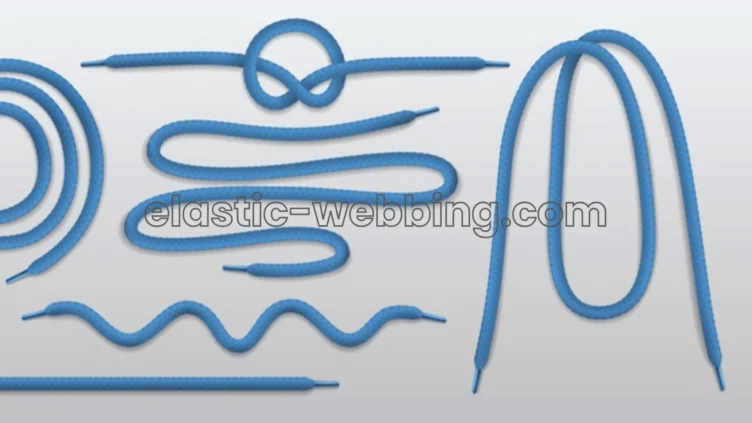
Shoelace tipping film is a specialized thin tape that coats the ends of shoelaces or various types of cords to form an aglet—a protective cap at the tip of the lace that makes it stronger and more durable.
Manufacturers generally use cellulose acetate film because of its high flexibility, strength, and ease of molding. During the manufacturing process, a tipping machine wraps the film around the end of the cord using heat or solvents, such as acetone.
Functions of Shoelace Tipping Film
Shoelace tipping film is designed to improve overall product quality. Here are several key functions that make this component widely used in both footwear and garment industries:
-
Protects Shoelace Ends from Fraying
The primary function of shoelace tipping film is to protect the fibers at the tip of the lace from unraveling. This protective layer keeps the woven threads together, preventing premature damage caused by friction and daily wear. Without this protection, the ends of the lace can easily open, look messy, and reduce user comfort.
-
Facilitates Lacing Through Eyelets
Shoelace tipping film gives the tip of the lace a slimmer and stiffer shape. This characteristic makes it easier for users to grip the cord while speeding up the process of threading it through shoe eyelets or cord channels on various products. As a result, lacing becomes more practical and reduces the risk of damaging the tips from frequent pushing or pulling.
-
Increases the Durability of Shoelace Tips
High-quality materials and strong bonding processes help maintain the shape of the aglet over a long period. This coating reduces the risk of cracking, detachment, or wearing out even with frequent use. With this protection, shoelaces gain a longer lifespan, preserving overall product quality.
-
Enhances Product Aesthetic Value
In addition to providing protection, shoelace tipping film makes the tips look neat and professional. Manufacturers offer various color options—ranging from transparent and black to custom colors—tailored to match the product design. A smooth finishing touch adds visual appeal, making shoelaces look more attractive and premium.
-
Supports Brand Identity on Shoelaces
Manufacturers also utilize shoelace tipping film as a branding medium. Through printed film, logos, text, or specific motifs can be printed directly onto the aglet, creating a stronger product identity. Additionally, manufacturers can match the color of the tipping film to the company’s visual identity. This small detail helps create an exclusive product appearance while strengthening brand recognition among consumers.
Also Read: Understanding Rock Climbing Webbing: Types and Functions
Types of Shoelace Tipping Film
Manufacturers generally offer several variations based on appearance, functionality, and technical specifications to suit production needs:
1. Transparent Tipping Film
Transparent tipping film is the most widely used choice because it provides a clean and simple look. This clear coating allows the original color and pattern of the lace weave to remain visible without compromising protection.
Key advantages of transparent tipping film include:
-
Preserves the original color of the shoelace.
-
Provides a neat and professional finish.
-
Suitable for various shoe styles, from casual to athletic.
-
Helps keep the tip rigid for easier eyelet insertion.
2. Colored Tipping Film
Besides transparent options, tipping film is also available in various colors such as black, white, red, blue, and brown. Manufacturers usually select a color that matches the lace for a harmonious look or use a contrasting color for a bold accent.
Benefits of using colored tipping film include:
-
Matching the tip color with the overall product design.
-
Creating a more attractive visual identity.
-
Adding aesthetic value to the finished product.
-
Supporting custom design requirements according to brand concepts.
3. Tipping Film with Logos or Branding
Manufacturers can also use printed film to display logos, patterns, or brand identities directly on the aglet. This serves as an effective branding strategy, reinforcing product identity without altering the tip’s core function.
This type is widely used for:
-
Branded footwear.
-
Premium apparel drawstrings.
-
Corporate promotional products.
-
Fashion accessories with unique brand identities.
4. Tipping Film Based on Material and Thickness
Beyond appearance, manufacturers distinguish films based on material and thickness for specific applications:
-
Standard Plastic Film: Has a thickness of approximately 0.18 mm to 0.30 mm and a width of about 25 mm to 30 mm. Ideal for athletic and casual shoelaces.
-
Tooth Film (Serrated): Features a jagged or textured surface with a thickness of about 0.35 mm to 0.50 mm. Commonly used on shopping bag or handbag handles.
-
Metal Tipping: Uses metal ends instead of plastic film. Frequently applied to leather laces or premium products requiring high durability alongside a luxury feel.
Materials Used for Shoelace Tipping Film
The choice of material affects the strength, flexibility, and overall appearance of the lace tip. Each material offers distinct characteristics that manufacturers can tailor to their product needs:
-
Polyester Film
Polyester (PET) is known for being strong and stable, producing sturdy lace tips. In addition to delivering a glossy finish, it offers good resistance to daily wear.
Characteristics of polyester film:
-
High tensile strength.
-
Glossy finish.
-
Helps maintain the shape of the tip.
-
Can be an eco-friendlier option compared to certain other materials.
(Note: In industrial practice, polyester is more commonly used as the main raw material for shoelaces rather than as tipping film).
-
-
Polyurethane (PU) Film
Polyurethane (PU) offers high flexibility, preventing the tips from cracking when bent repeatedly. It also provides excellent adhesion to lace fibers.
Advantages of PU film:
-
Flexible and crack-resistant.
-
Strong bonding capability.
-
Suitable for cords subjected to frequent bending.
-
Delivers a more elastic finish.
-
-
PVC Film
PVC is popular because it is relatively economical and easily molded through heating. It produces strong and durable lace tips.
Characteristics of PVC film:
-
Easy to mold during production.
-
Good durability.
-
Strong grip on lace ends.
-
Provides cost-efficient production.
-
4. Comparison of Material Characteristics
| Material | Key Characteristics | Common Applications |
| Cellulose Acetate | Flexible, strong, easily bonds with solvents (like acetone), phthalate-free, and heavy-metal-free in modern products. | Primary material for shoelace tipping film. |
| Polyester (PET) | Strong, stable, glossy finish. | More commonly used as the main lace material. |
| Polyurethane (PU) | Highly flexible, crack-resistant, strong bonding. | Used in specialized applications. |
| PVC | Economical, easy to mold, reasonably strong. | Commonly used in garment accessories. |
Apart from material selection, the quality of the tip is also influenced by film thickness, heat processing, and using the correct tipping machinery. Combining these factors yields aglets that are neat, durable, and user-friendly.
The Manufacturing Process of Shoelace Tipping Film
Manufacturing shoelace tipping film requires precision. Here is the step-by-step process:
-
Material Selection
Manufacturers use cellulose acetate as the primary raw material. This material contours around the cord without cracking easily while providing strong protection. Many manufacturers also opt for eco-friendly formulations, such as phthalate-free materials and options free of heavy metals like lead (Pb) and cadmium (Cd).
-
Slitting to Size
After selecting the material, manufacturers slit the film to match production needs. The film width typically ranges from 10 mm to 55 mm, depending on the cord diameter and target aglet design. Precise slitting ensures material stability when fed into the tipping machine.
-
Design and Logo Printing
If the product calls for brand identity, manufacturers print logos or specific designs onto the film surface prior to application. Using printed film allows for various patterns, colors, or text according to customer specifications, enhancing brand recognition and visual value.
-
Tipping Process on Shoelace Ends
Applying the film is the core of the entire production process. The tipping machine forms the aglet through the following steps:
-
Feeding & Positioning: The machine guides the cord into the work zone with stable positioning for precise application.
-
Bonding: The film is wrapped around the cord tip using heat or solvent assistance (typically acetone) so the material bonds strongly with the fibers.
-
Final Cutting: Once fully bonded, the machine cuts the cord to the specified aglet length for uniform results.
-
-
Product Quality Control
Before reaching the market, every batch undergoes quality control to ensure consistent standards. Comprehensive inspections cover:
-
Material Compliance: Ensuring materials are free from harmful substances in accordance with applicable standards.
-
Bonding Strength: Guaranteeing the aglet does not easily detach during use.
-
Dimensional Stability: Ensuring length, shape, and size remain uniform across all units.
-
Applications of Shoelace Tipping Film Across Various Cord Types
Thanks to its flexible and durable properties, this material is used in various textile products requiring strong, neat, and user-friendly tips:
-
Fashion Shoelaces
On sneakers, casual shoes, or rubber footwear, tipping film creates a cleaner, more professional appearance. Manufacturers can choose various colors and designs to align with product concepts and brand identity.
-
Athletic Shoelaces
Sports footwear requires laces that withstand repetitive stress. Tipping film prevents tips from fraying despite high-intensity friction during activities, while stiff tips make lacing effortless.
-
Safety Shoe Laces
In safety footwear, lace tips must remain strong in demanding work environments. Tipping film maintains tip structure so it doesn’t degrade from long-term heavy use, supporting user safety and convenience.
-
Outdoor and Hiking Shoelaces
Outdoor activities expose laces to dirt, water, friction, and weather changes. Tipping film ensures the tips won’t unravel under challenging conditions, allowing easy tying and lacing in the field.
-
Drawstrings and Other Textile Products
Beyond footwear, shoelace tipping film is applied to:
-
Drawcords on hoodies, sweatpants, jackets, and other garments to keep cord ends neat.
-
Paper Bag Handles using tooth tipping film to boost load-bearing strength.
-
Elastic Cords and Textile Ribbons requiring extra protection to prevent tip damage during use.
-
Tips for Choosing Quality Shoelace Tipping Film
Selecting the right shoelace tipping film ensures superior final products. Consider the following factors before deciding:
-
Match Material to Cord Type
Select a material compatible with your specific cord type. For instance, athletic shoelaces require a different degree of stiffness compared to casual laces. Match the material to cord diameter and desired aglet length for optimal performance.
-
Check Durability and Flexibility
Ensure the film strikes a balance between strength and flexibility. High-quality materials keep tips intact without fraying while remaining flexible enough not to crack or snap during use. For export markets, verify that materials meet international safety standards (such as being phthalate-free, lead-free, and cadmium-free).
-
Select Proper Dimensions
Film dimensions directly affect production smooth operations. Correct thickness and width help machines wrap cord ends consistently. Common specifications include:
-
Thickness: ~0.18 mm to 0.30 mm for shoelace applications.
-
Width: 10 mm to 55 mm, customizable based on cord diameter and wrapping style.
-
-
Consider Custom Branding Needs
To strengthen brand identity, choose manufacturers offering custom printed film services for logos or motifs. Additionally, ensure the manufacturer provides color-matching services so aglet colors blend seamlessly with shoe, garment, or textile designs.
-
Choose Manufacturers with Stringent Quality Control
A manufacturer with consistent QC protocols delivers stable quality across production batches. Look for strict inspection standards covering raw materials, bonding strength, and dimensional consistency to minimize defect risks.
PT Bintang Surya Sejati: Top Shoelace Tipping Film Manufacturer in Indonesia
Partnering with an experienced manufacturer ensures consistent product quality. PT Bintang Surya Sejati (BSS) is a leading narrow fabrics manufacturer in Indonesia serving diverse industrial needs.
-
Decades of Experience in Narrow Fabrics
Operating since 1987, PT Bintang Surya Sejati brings over 30 years of experience to the narrow fabrics industry. The company continuously advances its production technology and expands manufacturing capacity to meet national and international market demands across sectors including:
-
Apparel and fashion
-
Footwear
-
Automotive
-
Military
-
Technical textiles
Global brands trust BSS for their cord and ribbon component needs as the company maintains high quality aligning with evolving industry standards.
-
-
Custom Manufacturing Capabilities
Understanding that every industry requires specific standards, BSS offers custom production tailored to application needs and brand identities:
-
Custom design and material selection based on product functionality.
-
Precise widths, sizes, and technical specifications.
-
Product development tailored to specific industrial demands.
-
Integrated in-house operations—from yarn dyeing to production and secondary processing.
This integrated system guarantees quality consistency while accelerating product development from design to mass production.
-
-
High Quality Control Standards
BSS enforces comprehensive quality control at every manufacturing stage. To back this commitment, BSS utilizes European-standard machinery:
-
Needle looms for high-precision ribbons.
-
Jacquard looms for complex woven patterns.
-
Braiding machines for consistent, high-quality braided cords.
Strict internal inspection standards guarantee product repeatability. As a result, BSS products meet various international standards and are ready for export markets across Asia, Europe, and beyond.
-
Looking for an Indonesian Shoelace Tipping Film Manufacturer?
Choosing the right partner ensures your product quality remains top-tier. PT Bintang Surya Sejati (BSS) offers over three decades of expertise, integrated facilities, custom production capabilities, and global-grade quality control standards.
If you are seeking a trusted manufacturing partner for shoelace or narrow fabric component needs, we are ready to provide solutions tailored to your business specifications. Contact the BSS team today to consult and find the right manufacturing solution!
Also Read: Elastic Rubber Factory: Elastic Rubber Manufacturer and Supplier in Indonesia