


What is a headband? This circular hair accessory helps keep hair neat while providing comfort during various activities. You can find different headband models with varying shapes, materials, and functions.
The use of headbands continues to evolve according to changing needs and trends. Some models emphasize attractive designs to complement fashion, while others prioritize comfort and practical functionality.
Advances in technology have even introduced headbands equipped with specialized sensors to monitor brain activity. So, what functions do headbands serve besides being hair accessories? What types are available, and what materials are used to make them?
What Is a Headband?
A headband is a hair accessory worn around the head, hair, or forehead. Besides enhancing appearance, this accessory helps keep hair in place during activities.
The use of headbands dates back to ancient times. In Ancient Greece, people used headpieces made from olive branches as a form of recognition for winners of the Olympic Games.
The Romans later wore headpieces made of gold and silver. By the 20th century, headbands had become increasingly popular as hair accessories and fashion items. Their designs have continued to evolve over time.
Functions of Headbands
Each model can offer different functions depending on its material, shape, and intended use. Here are some of the most common functions.
Enhancing Appearance
A headband can complement an everyday outfit, add an accent to clothing, or enhance the appearance of a hijab. Certain models can also create an elegant, sophisticated, or casual look.
Keeping Hair Neat
This accessory helps hold long hair and loose strands in place so they do not fall onto the face or eyes. As a result, users can carry out activities more comfortably and stay focused.
Keeping Sweat Away During Exercise
Sports headbands help absorb or redirect sweat from the forehead so it does not run down the face and into the eyes. Manufacturers typically use materials that are flexible, lightweight, and highly absorbent.
Protecting the Head from Cold Air
In areas with low temperatures, wide and thick headbands can help keep the forehead and ears warm.
Monitoring Brain Activity
Certain types that use EEG technology are equipped with sensors that detect electrical brain activity. These devices can be used for various purposes, including sleep monitoring, meditation, and neurofeedback.
Also Read: Headband Manufacturing in Indonesia: Premium Headband Material Production Services
Types of Headbands
Different user needs have encouraged manufacturers to offer headbands in a wide range of models. Each type has its own characteristics and appearance, allowing users to choose one based on their activities or preferred style.
1. Twist Headband
A twist headband features a twisted or rotated section in the center, creating a knot-like detail.
This model is suitable for completing casual everyday looks because it adds a simple accent without appearing excessive.
2. Velvet Headband
This model uses velvet fabric, which has a soft texture and a more luxurious appearance. Its material thickness also helps hold hair securely.
A velvet headband is suitable for parties, formal events, or cold weather.
3. Crown Headband
A crown headband features a design resembling royal headwear. This model is suitable for weddings, parties, and other formal occasions.
Manufacturers often add beads, crystals, or pearls to create a more luxurious appearance.
4. Headband with Ribbon
This model incorporates a ribbon as a decorative element on the top or side of the headband.
Users can choose large or small ribbons made from materials such as satin or mesh. This design creates a feminine, sweet, and romantic appearance.
5. Tied Headband
A tied headband features a design that can be manually tied to create a specific knot.
Users can adjust the shape of the knot according to their preferred style, making this model more flexible and casual.
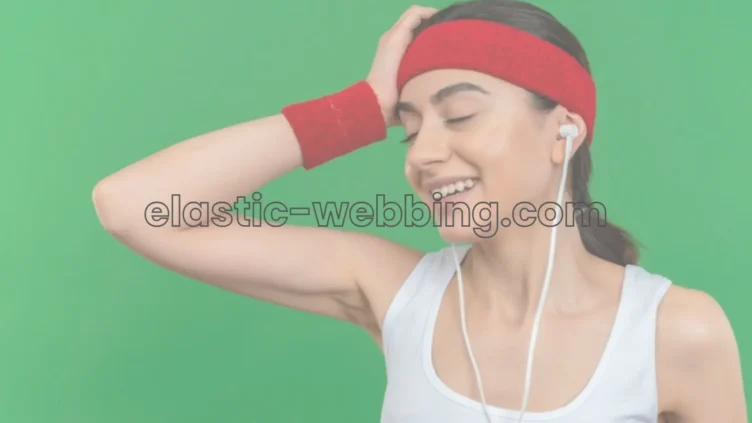
6. Sports Headband
A sports headband prioritizes comfort and functionality. Its design is generally simpler, using lightweight and elastic materials.
Some products use elastic bands or Velcro fasteners to adjust to the user’s head size and remain securely in place during movement.
Materials Used to Make Headbands
Besides determining appearance, materials also affect the comfort, elasticity, durability, and functionality of a headband. Manufacturers can choose different materials according to user needs and the type of product being produced.
1. Structural Base Materials
Manufacturers may use knitted fabrics, ribbons, lace, elastic bands, plastic, or flexible metal as the structural base.
These materials allow the headband to maintain its shape while providing comfortable pressure around the head.
2. Decorative Materials
To create a more attractive appearance, manufacturers can add velvet, satin, mesh fabric, tie-dye patterns, or paisley patterns. Some products also use beads, crystals, pearls, metal, and gemstones as decorations.
3. Materials for Sports Headbands
Sports headbands require materials that can follow head movements and absorb sweat.
Therefore, manufacturers often use microfiber, polyester, or cotton blends. These materials can provide a lightweight, flexible, and comfortable feel during exercise.
Advantages of Using Textile Headbands
Material selection has a significant impact on the comfort and functionality of a headband. Textile materials offer characteristics such as lightweight construction, flexibility, and versatility for various designs.
1. Absorbing Sweat and Managing Moisture
Textile materials such as microfiber, polyester, and cotton blends can effectively absorb sweat from the forehead. Some materials also dry quickly, helping keep the face comfortable during activities.
These characteristics make them suitable for sports headbands used during high-intensity workouts.
2. Flexible and Comfortable Fit
Elastic textile materials can follow the shape of the head without applying excessive pressure. Manufacturers can also add elastic bands or Velcro to allow users to adjust the size according to their needs.
With the right fit, a headband is less likely to shift even when the user moves frequently.
3. Comfortable for Extended Use
Textiles generally have a soft and lightweight surface, making them comfortable against the scalp.
Choosing the right fiber can also help reduce heat and discomfort during prolonged use. Therefore, textile materials are suitable for products that prioritize user comfort.
4. Providing Warmth and Protection
Textiles with thick structures or tight knits can help protect the head, forehead, and ears from cold air.
This characteristic makes textile headbands suitable for outdoor activities in low temperatures or strong winds.
5. Offering a Wide Range of Design Options
Textiles provide extensive opportunities for product development. Manufacturers can select various colors, patterns, textures, and decorative techniques according to the brand’s identity.
Materials such as velvet, satin, lace, knitted fabric, and mesh can create looks ranging from casual to elegant.
Tips for Choosing a Headband Based on Your Needs
Different needs require different headband characteristics. Therefore, appearance should not be the only consideration when choosing a product.
1. Match It to the Activity and Intended Use
Determine the primary function before choosing a model and material. The right choice can make the headband more comfortable while allowing it to perform optimally.
- For sports: Choose materials that are flexible, breathable, sweat-absorbent, and quick-drying, such as polyester, microfiber, or cotton.
- For formal occasions: Choose models with decorative details such as velvet, satin, pearls, or beads to create a more elegant appearance.
- For use with hijabs: Choose a model that is easy to wear and does not interfere with the position of the hijab, such as a tied headband with a knot detail.
2. Consider the User’s Style and Personality
Choose a design that matches the desired appearance. Models with bold colors and eye-catching ornaments can create a confident look, while neutral colors and simple designs are suitable for a more minimalist style.
This consideration allows the headband to function as an accessory that complements the overall appearance.
3. Choose a Comfortable Material
Pay attention to the material’s texture, flexibility, and surface characteristics. Choose a material that feels soft and is appropriate for the intended duration of use.
Material that is too stiff can create pressure on the head, while material that is too loose can cause the headband to shift easily.
4. Consider the Size and Width
The size of a headband also affects its comfort and functionality. Wider models can cover a larger area of the head and help keep hair neat.
Meanwhile, slim models are suitable for users who want a simple accessory to complement their appearance.
5. Check the Fastening System
Make sure the fastening system can keep the headband securely in place without putting excessive pressure on the head.
Elastic bands provide size flexibility, while Velcro allows users to adjust the tightness more easily. Choose the fastening system based on the activity and intended use.
Textile Material Options for Headband Production from BSS
Choosing the right material helps produce a comfortable product while achieving an appearance that matches the brand’s identity. PT Bintang Surya Sejati Sukses can be an option for meeting textile component and elastic material requirements.
BSS provides various narrow fabric solutions that can be customized according to production requirements, including size, material, color, and construction.
Discuss your production requirements with the BSS team and determine the material specifications that best match your target market.
Also Read: Examples of Product Innovations Using Braiding Elastic in Industry