
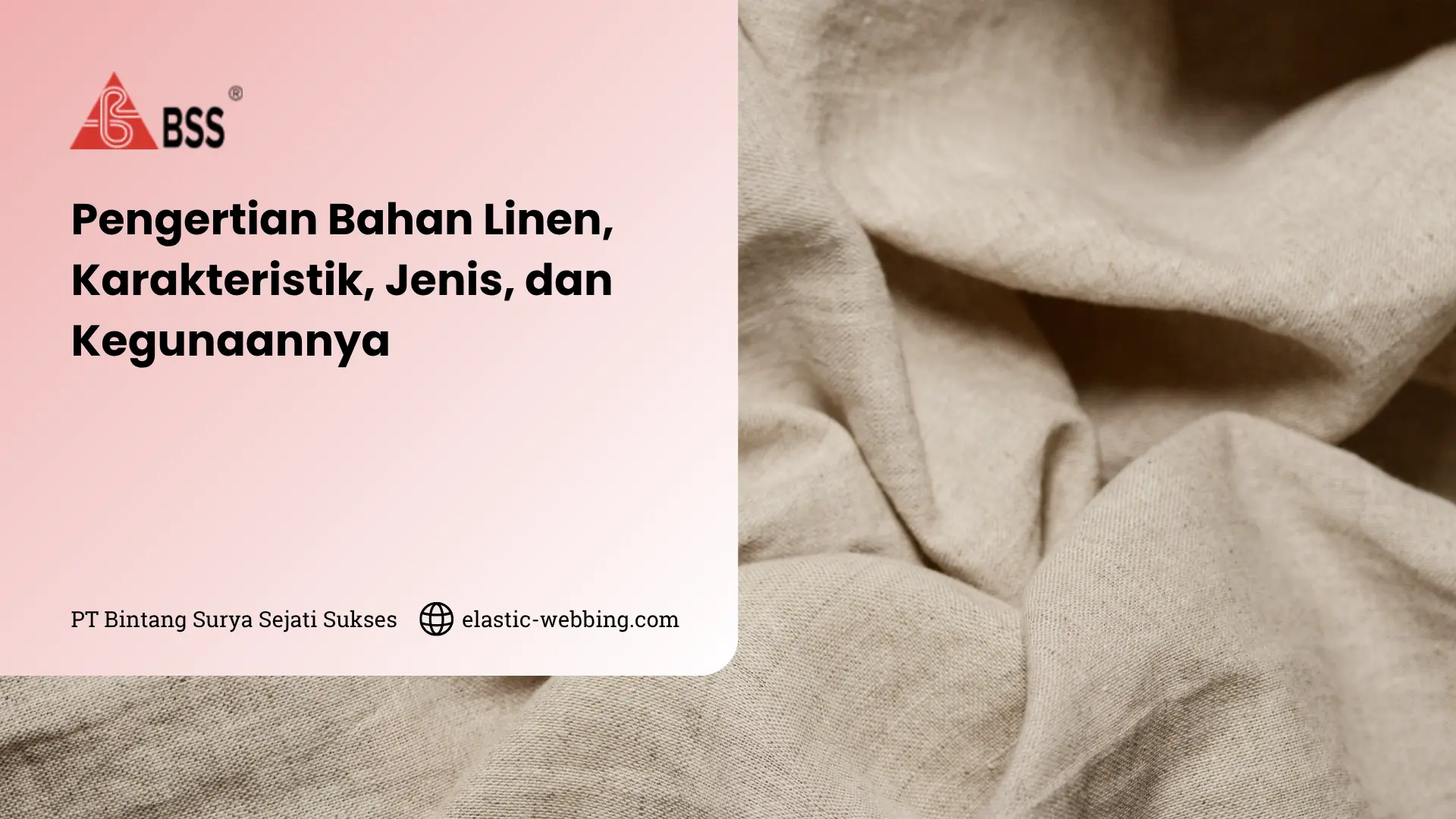


Linen fabric is a natural textile known for its distinctive texture and high durability. Its fibers come from the flax plant, which has been used for thousands of years for various purposes.
Linen also has the ability to absorb moisture and maintain air circulation, making it comfortable to use in a variety of conditions. This article discusses what linen is, its characteristics, available types, and its everyday uses.
What Is Linen Fabric?
Linen is a natural textile made from the fibers of the flax plant (Linum usitatissimum). Humans have used this material for thousands of years, dating back to around 8,000–10,000 years ago in the Middle East and Europe.
Linen is often categorized as a premium textile. The material offers a combination of comfort, durability, and an elegant appearance. Its natural texture also gives various products a clean and sophisticated look.
What Is Linen Made From?
Linen is made from the fibers found in the stems of the flax plant. The plant has long stems that produce strong fibers after undergoing several processing stages. Manufacturers then process the fibers into yarn before weaving them into fabric.
Flax also has characteristics that support sustainable textile production. The plant requires relatively less water and does not require large amounts of fertilizer or pesticides.
How Is Linen Fabric Made?
Manufacturers go through several processing stages to separate the fibers from the stems and turn them into yarn ready for weaving. The main stages of linen production include:
1. Flax Cultivation
Manufacturers plant flax relatively close together so the stems grow straight and long. This condition helps the plants produce fibers with optimal length.
Flax plants can reach a height of approximately 90–120 cm within around 100 days, depending on growing conditions.
2. Harvesting
When the plants reach the appropriate level of maturity, farmers harvest them by pulling the entire plant from the ground, including the roots.
This method helps preserve the length of the fibers in the stems. After harvesting, farmers tie the flax stems into several bundles and dry them before moving on to the next stage.
3. Fiber Separation Through Retting
At this stage, manufacturers soak or moisten the flax stems to loosen the connection between the fibers and the woody parts of the stems.
This process is known as retting. Manufacturers can use water or natural moisture to help separate the fibers.
4. Cleaning Through Scutching
After the retting process is complete, manufacturers dry the stems before breaking down their woody parts.
The scutching process helps remove the remaining hard parts of the stems, allowing the finer fibers to be separated more effectively.
5. Fiber Combing
Manufacturers then comb the fibers through a process known as combing. This stage helps remove remaining straw and short fibers that are still attached.
Combing also makes the long fibers more aligned, making them easier to process into yarn.
6. Spinning and Weaving
Once the fibers are clean and properly organized, manufacturers spin them into yarn.
The yarn is then woven using a specific pattern to produce sheets of linen fabric. Manufacturers can adjust the density and weaving pattern according to the requirements of the final product.
Also Read: Characteristics of Cotton Fabric: Characteristics and Advantages
Characteristics of Linen Fabric
After going through this lengthy process, linen develops several characteristics that distinguish it from other textile materials. The natural properties of its fibers also influence the fabric’s comfort, appearance, and durability.
Here are some of the main characteristics you can find in linen:
- Temperature regulating: Linen helps provide a cooling sensation in hot weather while also helping retain warmth when environmental temperatures drop.
- Moisture absorbing: Linen fibers can absorb significant amounts of moisture without immediately creating a sticky sensation on the skin. The fabric also dries relatively quickly after absorbing liquid.
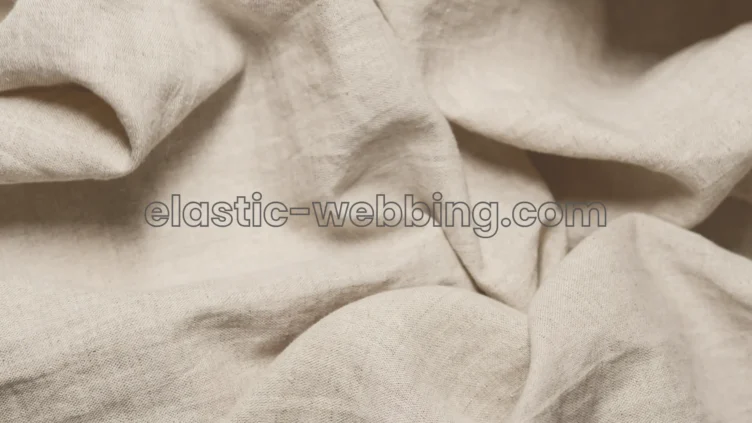
- Distinctive texture: Linen has a naturally slightly crisp surface. This characteristic gives the material a natural and elegant appearance.
- Natural luster: Some types of linen have a soft sheen on the surface, giving them a more premium appearance.
- Becomes softer with use: Repeated use and washing can make linen fibers feel softer without eliminating their natural characteristics.
- Relatively resistant to pilling: Linen is relatively unlikely to develop small fiber balls on the surface of the fabric.
- Hypoallergenic properties: The natural characteristics of linen can make it a suitable choice for people who need a material that is more comfortable for sensitive skin.
- Natural resistance to microorganisms: The structure and characteristics of linen fibers can help inhibit the growth of certain types of bacteria and fungi.
Advantages of Linen Fabric
These characteristics give linen several advantages for clothing and household products. Each benefit provides different advantages depending on how the fabric is used.
1. Strong and Durable
Linen has strong fibers, making it resistant to damage during regular use.
In fact, linen fibers can become stronger when wet. This characteristic makes linen suitable for products that require high durability.
2. Cool in Hot Weather
The breathable structure of linen allows air to move through the fabric. This characteristic is also why linen is widely used in tropical climates.
This ability helps keep the body more comfortable when wearing linen clothing in hot or humid conditions.
3. Comfortable Moisture Absorption
Linen can absorb moisture from the body without making the fabric immediately feel heavy or sticky.
This ability helps maintain comfort when the fabric is worn for extended periods.
4. Elegant Appearance
The natural texture and subtle sheen of linen create a simple yet sophisticated appearance.
You can use it for casual clothing, formal wear, or interior decoration with a minimalist concept.
5. More Environmentally Friendly
Linen comes from flax plants, which require relatively fewer resources during cultivation.
Natural linen is also biodegradable, making it an alternative material for textile needs that place greater emphasis on environmental considerations.
Disadvantages of Linen Fabric
Although linen offers many advantages, it also has several limitations. Understanding these drawbacks can help you choose, use, and care for the material properly.
1. Wrinkles Easily
Linen has strong fibers but is not highly elastic. When you sit, fold, or wear linen clothing for an extended period, the fabric can develop wrinkles easily.
This is one of linen’s distinctive characteristics, although some people may consider it a disadvantage.
2. Relatively Expensive
Linen is generally more expensive than some common fabrics, such as cotton. The availability of raw materials and fiber quality can also affect the price of the finished product.
Processing flax fibers requires several stages before producing ready-to-use fabric.
3. Some Types Can Feel Heavier
Linen with a tight weave or thicker structure can feel heavier than lightweight fabrics.
Therefore, you need to choose the type and thickness of linen according to the product’s intended function to ensure it remains comfortable to use.
4. Requires Proper Care
Linen requires appropriate care to keep its fibers strong and prevent the fabric from losing its shape too quickly. You should use cold or low-temperature water when washing and choose a mild detergent.
Avoid using bleach and excessive heat because both can affect the condition of the fibers. You can also air-dry linen naturally and iron it at an appropriate temperature to maintain its appearance.
Types of Linen Fabric
Linen fabric comes in several types with different characteristics. These differences arise from the weaving pattern, intended use, and combination of linen with other fibers.
1. Based on Weave Pattern
The weave pattern affects the texture, thickness, absorbency, and appearance of the fabric. Therefore, manufacturers can choose specific weave patterns to produce textile characteristics that match the product’s intended function.
- Plain Weave Linen: Features a basic, tight weave with a crisp surface while remaining breathable. This characteristic makes it suitable for shirts, blouses, casual clothing, and curtains.
- Damask Linen: Uses a weave pattern that can produce intricate designs and an elegant appearance. This type is widely used for tablecloths, napkins, and various interior applications that require a formal look.
- Bird’s Eye Linen: Features a small dotted texture on its surface. This structure helps improve water absorption, making it suitable for hand towels and cloth diapers.
- Cambric Linen: Has a lightweight character and an exceptionally smooth surface. This material is suitable for products requiring a soft touch, such as handkerchiefs, underwear, and summer dresses.
- Huckaback Linen: Uses a textured weave that supports optimal water absorption. Manufacturers commonly use it to make bath towels and kitchen towels.
- Venice Linen: Offers a soft surface with decorative patterns, such as floral motifs or artistic designs. This characteristic makes it suitable for interior applications that emphasize a luxurious appearance.
- Canvas Linen: Has a thick, stiff, and strong structure for heavy-duty applications. This material can be used for bags, shoes, sofa upholstery, and outdoor furniture.
2. Based on Application
Besides classifying linen according to weave patterns, manufacturers can also categorize it based on its function. Each type has characteristics suited to specific product requirements, ranging from clothing to furniture upholstery.
- Sheeting Linen: Has a smooth surface and relatively wide dimensions. This characteristic makes it suitable for bed sheets and various clothing applications.
- Suiting Linen: Has a medium to heavy weight, allowing it to provide structure to garments. This type can be used for suits, blazers, and formal trousers.
- Upholstery Linen: Has a thick, stiff structure and is resistant to repeated use. This material is suitable for sofa upholstery, furniture, and cushions.
- Butcher’s Linen: Offers a very sturdy and rigid structure. Manufacturers can use it for aprons, workwear, and restaurant uniforms.
- Handkerchief Linen: Has a lightweight and very smooth texture. This characteristic makes it suitable for handkerchiefs and fabric accessories.
3. Linen Blends
Manufacturers can also combine linen with other fibers to achieve specific characteristics. These blends help adjust softness, wrinkle resistance, appearance, and material cost.
- Linen-Cotton Blend: Combines the strength of linen with the softness of cotton. The resulting blend feels softer and is generally easier to iron than pure linen.
- Linen-Silk Blend: Provides a subtle sheen and an elegant drape. Manufacturers can use it for formal clothing, accessories, and scarves.
- Linen-Polyester Blend: Produces a more wrinkle-resistant material at a relatively affordable cost. This type can be an option for various household textile applications.
What Are the Uses of Linen Fabric?
Linen’s strength, moisture absorption, and good air circulation make it suitable for a wide range of applications. Its use is not limited to clothing but also extends to household items and everyday products.
- Fashion and clothing: The fashion industry uses linen for various products, including shirts, trousers, culottes, dresses, gamis, blazers, and suits.
- Bedding and home décor: Home textile manufacturers use linen to make bed sheets, fitted sheets, pillowcases, duvet covers, and curtains.
- Kitchen and bathroom essentials: Linen’s ability to absorb water makes it suitable for various household products. Applications include towels, napkins, tablecloths, and kitchen towels.
- Accessories and everyday products: The handicraft and accessories industries also use linen to produce bags, totebags, hats, and aprons. Manufacturers can adjust the thickness and weave type according to the required level of strength.
Differences Between Linen and Cotton
Linen and cotton are both made from natural fibers, but they have different characteristics. These differences can affect comfort, durability, care requirements, and the suitability of each material for specific products.
- Air circulation and drying: Linen has excellent breathability, making it feel cool in hot weather. The material can also absorb moisture and dry relatively quickly.
- Strength and durability: Linen has strong and dense fibers that allow it to withstand long-term use. This characteristic makes linen suitable for products that require high durability.
- Wrinkle resistance: Cotton tends to be more flexible and relatively easy to care for. In contrast, linen has a natural tendency to form creases, making a wrinkled appearance one of its distinctive characteristics.
- Texture: Cotton generally feels soft from the beginning of use. Linen may feel slightly stiff when first used, but its texture becomes softer after repeated washing.
- Environmental aspects: Flax, the raw material for linen, generally requires less water and agricultural input than cotton plants. This gives linen an advantage in terms of resource consumption.
How to Choose Linen Fabric for Textile Applications
Choosing linen should be based on the final function of the product rather than simply considering the appearance of the fabric. Pay attention to thickness, texture, weave pattern, absorbency, and care requirements so the material can deliver the expected performance.
- For everyday clothing and hot weather: Choose plain weave or a lightweight linen-cotton blend. These materials can provide good air circulation without feeling overly stiff.
- For tablecloths and formal interiors: Choose damask linen or Venice linen. Both types offer decorative patterns that can enhance the elegant appearance of a product.
- For furniture and heavy-duty products: Use canvas linen or upholstery linen. Their thick and sturdy structures help the material withstand friction and repeated use.
- For towels and kitchen towels: Consider huckaback linen or bird’s eye linen. Both have characteristics that support water absorption.
- For handkerchiefs and delicate clothing: Use cambric linen or handkerchief linen. Their lightweight and soft textures provide comfort when in direct contact with the skin.
Choose Quality Textile Materials for Industrial Applications with BSS
For industrial applications that require supporting textile components, material quality and production accuracy are important. PT Bintang Surya Sejati Sukses (BSS) has been an Indonesian manufacturer of narrow fabrics and elastic webbing since 1987.
Choose quality textile materials with BSS to support your industrial needs. Contact the BSS team for technical consultation and material solutions tailored to your product requirements.
Also Read: Waistband Elastic Materials for Pants: Types and Characteristics