


Non woven is a textile material produced without weaving or knitting processes like conventional fabrics. You may use it daily without fully understanding how this material is made and why its properties are different.
Manufacturers create it by arranging fibers randomly and then bonding them through chemical, thermal, or mechanical processes, resulting in a material that is lightweight, strong, and functional.
Its advantages have made it increasingly popular across many sectors. However, this material also has limitations. On the other hand, Indonesia’s textile industry continues to grow through contributions from companies such as BSS, which delivers integrated manufacturing solutions and global production standards.
Understanding and Unique Characteristics of Non Woven Fabric
Non woven fabric is a textile material that does not go through weaving or knitting processes like conventional fabrics. Manufacturers produce it by forming short fibers (staple) or long fibers (filament) into a web, then bonding them through specific processes until a unified and stable structure is formed.
The uniqueness of this fabric lies in its ability to mimic the appearance, texture, and even strength of woven fabrics despite not being woven. The industry benefits from its faster, simpler, and more efficient production process to generate large volumes at more controlled costs.
Additionally, the fabric edges do not easily fray (no raveling/fray), making the material look neater without additional finishing. Some types, such as spunbond, use recyclable and relatively biodegradable materials, supporting environmentally friendly concepts.
Non Woven Material: Fibers Processed with Specialized Methods
Non woven material consists of fibers processed through a combination of chemical, mechanical, and thermal technologies to produce strong fabric sheets. The process begins with web formation.
In the Dry Laid method, manufacturers arrange fibers in dry conditions using carding techniques. The Wet Laid method involves dispersing fibers in water before forming and drying them into sheets.
Meanwhile, Spunbond and Meltblown techniques extrude liquid polymers such as polypropylene or polyester into fine filaments that bond directly. After the web is formed, the bonding stage strengthens the structure.
Characteristics and Structure of Non Woven Fabric
The structure of non woven fabric is formed from randomly or deliberately arranged fibers, creating unique characteristics. The material has good air circulation (breathable) because its pores allow airflow while filtering small particles.
Depending on the type and process, the fabric can be water repellent for medical mask applications or highly absorbent for products such as diapers and wet wipes.
Its lightweight nature does not reduce its strength, which is why civil engineering industries use it as geotextile for soil reinforcement. Manufacturers can also add flame retardant features and high filtration capability to meet medical and industrial safety standards.
Read Too: Understanding Rock Climbing Webbing: Types and Functions
Types of Non Woven Fabric by Material
Manufacturers determine the quality and function of non woven fabric based on its base material. Each fiber type provides different characteristics, including strength, elasticity, absorbency, and environmental resistance.
1. Polypropylene (PP) Non Woven
Polypropylene (PP) is the most commonly used material in non woven production. It is typically processed using Spunbond and Meltblown methods to produce a structure that is strong yet lightweight.
This material offers good breathability, water resistance, and is safe for use due to its food-grade properties.
2. Polyester (PET) Non Woven
Polyester or Polyethylene Terephthalate (PET) provides high mechanical strength and excellent dimensional stability.
Manufacturers choose this material when long-term durability is required. The construction industry often uses it as geotextile to reinforce and stabilize soil in civil engineering projects.
3. Rayon / Viscose Non Woven
Rayon or viscose offers high flexibility in production. Manufacturers process it through bonding and entanglement techniques to ensure optimal fiber cohesion.
This material supports the development of various industrial textiles with diverse designs and functions.
4. Nylon Non Woven
Nylon expands the use of non woven fabrics into technical sectors. This type is widely recognized.
Manufacturers use it to create materials with specialized characteristics that are difficult to achieve with traditional woven fabrics. The fiber is known for its strength, elasticity, and abrasion resistance.
5. Biodegradable Fiber Non Woven
The industry is also developing eco-friendly materials using natural fibers such as cotton or wool.
Some products are designed to biodegrade naturally within approximately 90 days, helping reduce textile waste impact on the environment.
6. Composite Non Woven Materials
Manufacturers combine multiple material layers to create enhanced protective functions.
The industry also applies this technology in intelligent packaging to provide temperature, gas, or humidity indicators within product packaging.
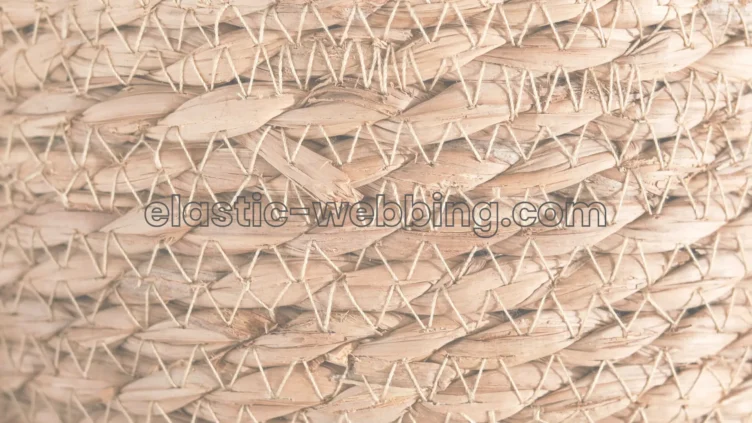
The uniqueness of non-woven can be seen from its ability to imitate the appearance, texture, and even strength of ordinary woven fabric even though it is not woven.
Types of Non Woven Fabric by Production Process
Each method produces different characteristics, which is why each type serves specific functions across industries.
1. Spunbond Non Woven
Spunbond non woven is produced by extruding thermoplastic polymers such as polypropylene (PP) into continuous filaments.
The filaments are laid onto a moving belt to form a web and then bonded using heat or pressure. The result is a lightweight, fairly strong, and breathable fabric.
2. Meltblown Non Woven
Meltblown non woven is produced using a process similar to spunbond but utilizes very fine nozzles and high-pressure air to create much finer microfibers.
The dense fiber structure gives this material extremely high filtration efficiency.
3. Needle Punch Non Woven
The needle punch method relies on mechanical bonding without chemicals or heat, producing a strong and thick material.
The process begins by forming a fiber web, which is repeatedly punched with barbed needles so the fibers interlock physically.
4. Thermal Bonded Non Woven
In thermal bonding, manufacturers use heat to fuse thermoplastic fibers.
Fibers pass through heated rollers (calender bonding) or hot air (through-air bonding) until some fibers melt and adhere. This creates strong and durable material without additional adhesives.
5. Chemical Bonded Non Woven
Chemical bonding uses binders, adhesives, or solvents to unify fibers into a solid structure.
This technique allows the addition of special features such as enhanced water resistance or strength depending on the binder used.
Functions of Non Woven Fabric Across Industries
Non woven fabric provides efficient and flexible material solutions for many industrial needs.
1. Medical & Healthcare Industry
The medical sector uses non woven fabric because it is hygienic, offers high filtration, and can block bacteria and fluids.
Manufacturers use it to produce PPE such as medical masks, protective clothing, and surgical gowns.
2. Fashion & Bag Industry
Fashion and retail industries use this fabric as a more economical and eco-friendly alternative to traditional textiles.
Manufacturers produce spunbond tote bags that are lightweight, strong, and reusable. Designers also use non woven interfacing to stiffen collars and cuffs.
3. Automotive & Filtration Industry
Automotive and engineering sectors utilize the flexible fiber structure for technical applications.
Meltblown is widely used for air and liquid filtration systems. It is also used as an alternative to polyurethane foam in vehicle interiors.
4. Household & Hygiene Products
Its soft and absorbent nature makes it popular for household products.
Manufacturers process it into kitchen wipes, mop cloths, shoe cleaners, blankets, table covers, bath mats, and tea or coffee filters. Spunlace technology produces smoother textures ideal for wet wipes and facial tissues.
Difference Between Non Woven and Woven Fabric
The main difference lies in construction technique and physical structure.
Woven fabric is produced by interlacing yarns in a structured pattern, while non woven is made by directly bonding fibers without weaving or knitting.
Key differences:
Woven fabric
-
Edges fray easily when cut
-
Higher tensile and tear strength
Non woven fabric
-
Does not easily fray
-
Easier processing
-
Strength can be enhanced through layering
Advantages and Disadvantages of Non Woven Materials
Advantages
-
Cost efficient production
-
Lightweight and breathable
-
Hygienic and often antibacterial
-
Some types are biodegradable
-
Highly customizable properties
Limitations
-
Lower strength than woven fabrics
-
More prone to tearing at stress points
-
Often designed for disposable or short-term use
Need High-Quality Webbing & Elastic Products? Trust BSS
Choosing high-quality webbing and elastic products is an investment in durability, precision, and performance consistency. PT Bintang Surya Sejati Sukses (BSS) is your trusted partner, offering world-class production standards, European machinery technology, and strict quality control at every stage.
BSS provides Jacquard elastics, premium webbing, woven and knitted elastics, and braided cords. The company also offers flexible custom production solutions tailored to your design, material, and industrial application needs.
Read Too: What Is Woven Fabric? Definition, Fabric Types, and Material