
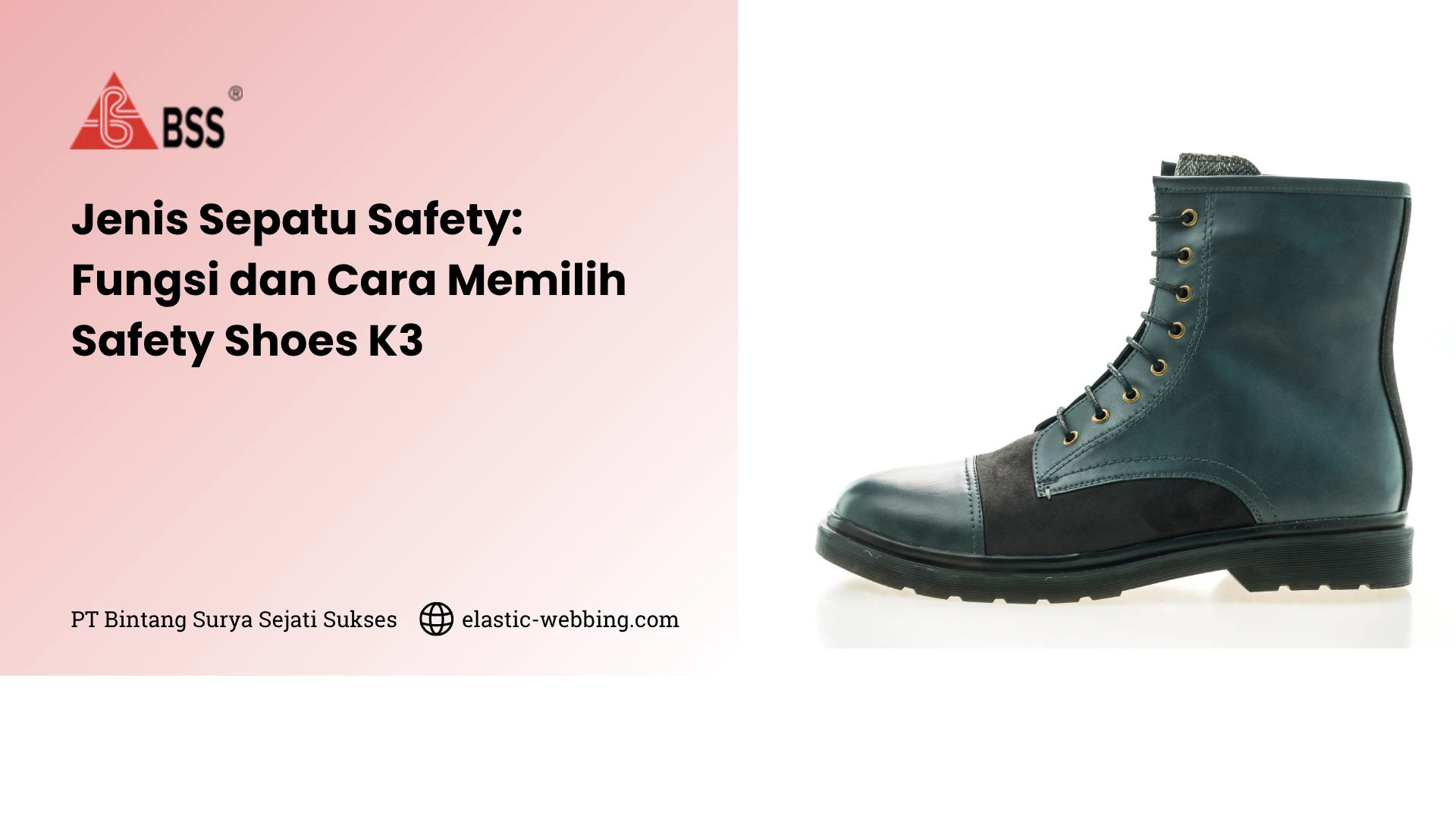


The choice of safety shoes is inseparable from Occupational Health and Safety (OHS/K3) standards across various industries. From construction projects to high-risk work environments, the use of protective footwear helps keep feet safe from impacts.
Today, technological advancements have led to safety shoes featuring more modern protection capabilities that are comfortable to wear. Each type serves a different function depending on the specific demands of the job.
Through this article, you will learn about the functions of safety shoes, the best types commonly used, and how to choose the right product for your work needs. Additionally, this article will discuss the role of BSS in supporting the footwear industry for occupational safety.
What Are Safety Shoes?
Safety shoes are specialized footwear designed to protect feet from various occupational hazards in dangerous environments. These shoes feature added protection elements that help reduce the risk of injury.
Safety shoes are classified as Personal Protective Equipment (PPE) and play a vital role in high-risk work environments. They protect the feet—from the toes and soles to the instep area—from physical injuries and other hazards.
Many companies incorporate the use of PPE into their Standard Operating Procedures (SOPs) to minimize workplace accidents. By using safety shoes that meet established standards, workers can perform their duties safely and comfortably.
Safety Shoe Standards for OHS (K3)
Safety shoe manufacturers must ensure their products meet specific safety standards to be deemed fit for use in the workplace. These standards help guarantee the quality of protection provided by the footwear.
Some of the commonly used standards include:
-
SNI (Standar Nasional Indonesia): The safety compliance benchmark in Indonesia.
-
ISO 20345: The international standard governing safety footwear.
-
ASTM F2413: The United States standard for protection against impact, compression, and electrical hazards.
-
EN ISO 20347: The European standard for occupational footwear.
In addition to these standards, there are several protection codes that you should understand, such as:
-
SB: Basic protection.
-
S1: Anti-static and anti-slip features.
-
S2: Water resistance.
-
S3: Comprehensive protection, including puncture-resistant features.
Each type of protection serves a different function. Therefore, shoe selection should be tailored to the work conditions and hazards to ensure optimal protection.
The Functions of Safety Shoes in Occupational Safety
Safety shoes aim to maintain worker safety in high-risk work environments. Various protective features on safety shoes are specially engineered to handle different working conditions, such as:
1. Protecting Feet from Heavy Object Impacts
Work areas like construction projects, warehouses, or manufacturing industries carry a high risk of falling heavy objects. To reduce potential injuries, safety shoes utilize specialized reinforcement at the front of the foot. Common protective features include steel or composite toe caps capable of withstanding impacts up to 200 joules.
2. Reducing the Risk of Punctures from Sharp Objects
Work environments are often littered with sharp objects such as nails, metal shards, or broken glass that can pierce the soles of the feet. For this reason, safety shoes are engineered with specific mid-sole materials to resist punctures from below, keeping workers safe even on harsh, debris-filled surfaces.
3. Preventing Slips in the Workplace
Slippery surfaces caused by water, oil, or chemicals are frequent causes of workplace accidents. To mitigate slip hazards, safety shoes utilize specialized sole technology that enhances traction. Key advantages include slip-resistant outsoles with tread patterns that grip slick surfaces firmly.
4. Protecting Against Electrical and Heat Hazards
Aside from physical impact protection, safety shoes also help mitigate electrical and high-temperature hazards. This feature is crucial for workers in electrical engineering, welding, or the metal industry. Protection types include electrical hazard shoes made with insulating materials to reduce the risk of electric shocks.
5. Supporting Comfort During Long Working Hours
Workers who stand or walk for extended periods need comfortable footwear to prevent fatigue. Therefore, safety shoe manufacturers also prioritize ergonomic aspects in product design. Frequently used comfort features include cushioned insoles to reduce fatigue and pressure on the feet, alongside supportive structures that keep foot positioning stable.
Read Too: What Is a Harness? Definition, Functions, and Parts of a Body Harness
Types of Safety Shoes Based on Material and Function
Because every work environment presents unique risks, safety shoe selection must match the specific protection needed. Understanding the function of each type of safety shoe helps workers choose the right equipment.
-
Steel Toe Safety Shoes: Frequently used in construction, manufacturing, and heavy industries, these shoes offer maximum protection for the toes. Manufacturers equip the front of these shoes with robust steel caps to shield feet from falling heavy objects, sharp materials, or dropped tools.
-
Composite Toe Safety Shoes: Many workers prefer this type because they are lighter than metal alternatives. Manufacturers typically use non-metallic materials like fiberglass, carbon, Kevlar, or hard plastic for the toe cap. Despite being lightweight, they still provide optimal impact protection and do not conduct electricity or heat.
-
Alloy Toe Safety Shoes: This type features toe caps made from aluminum or other lightweight metal alloys. This material makes the shoes feel lighter than conventional steel models while still delivering excellent pressure and impact protection compliant with safety standards. They keep workers comfortable during long shifts without compromising safety.
-
Metatarsal Safety Shoes: These shoes provide broader protection that extends across the instep (the top of the foot). Manufacturers add specialized guards to this area using steel, hard plastic, or other protective materials. The primary function is to protect the metatarsal bones from being crushed by heavy or sharp objects.
-
Waterproof Safety Shoes: Wet work environments require extra protection to keep feet safe and dry. Manufacturers design these shoes using impermeable materials like rubber, specialized plastics, or PVC. This prevents water, mud, and specific liquids from entering the shoes, making them ideal for extreme weather conditions.
-
Anti-Slip Safety Shoes: Slippery work surfaces increase the risk of falls and workplace injuries. To tackle this, manufacturers use outsoles made from specialized rubber with tread patterns engineered for strong traction. In addition to being anti-slip, many products also use oil-resistant materials so the soles do not degrade when exposed to oils and chemicals.
The Best Types of Safety Shoes for Various Industries
Using the appropriate safety shoes not only enhances safety but also allows workers to move comfortably and freely. Below are some of the best types of safety shoes commonly used across various industrial sectors:
| Industry Sector | Recommended Safety Shoe Types & Features |
| Construction Projects | Steel Toe Shoes (impact protection); Puncture-Resistant Shoes (Kevlar/metal midsoles against nails); High Visibility Shoes (reflective accents for night shifts); Waterproof Shoes (for mud and rain). |
| Manufacturing Industry | Steel/Alloy Toe (against machinery pinch points or heavy components); Chemical-Resistant Shoes (shields against hazardous liquids); Anti-Slip Shoes (oil-resistant soles for production floors). |
| Warehouse & Logistics | Energy Absorption Shoes (shock absorption to minimize fatigue); Cushioned insoles for prolonged standing; Steel/Composite Toe Caps (against falling pallets or heavy boxes). |
| Mining, Oil & Gas | High-Cut Safety Boots (leather/rubber boots above the ankle for extra support); Metatarsal Shoes (top-of-foot protection); Oil and Fuel Resistant Shoes (durable outsoles for harsh terrains). |
| Electrical Technicians | Composite Toe Shoes (non-metallic, non-conductive); Electrical Hazard (EH) Shoes (insulating materials against shocks); Anti-static (ESD) Shoes (prevents static buildup near sensitive electronics). |
How to Choose the Best Type of Safety Shoes
The right pair of shoes provides maximum protection while keeping you comfortable throughout the workday. It is important to evaluate several key aspects before making a choice:
1. Match the Shoes to the Job Risks
Every work environment poses different hazards. By understanding the conditions of your work area, you can select the correct type of shoe protection, making your day-to-day tasks much safer and more efficient.
2. Pay Attention to Safety Certifications
Certifications are vital indicators that verify a product’s quality and safety standards. Shoes that have passed official testing are guaranteed to deliver the protection required by the industry. The more aligned the certification is with your job requirements, the more optimal the protection.
3. Select Comfortable and Durable Materials
Material dictates the longevity and long-term comfort of the footwear. High-quality shoes generally utilize robust yet comfortable materials. Genuine leather (especially cowhide) is a popular choice due to its strong, flexible, and durable nature. Additionally, composite materials are widely used as lightweight alternatives to steel to support mobility without sacrificing safety.
Beyond the primary shoe structure, look at supporting components. The use of high-quality elastic webbing or narrow fabrics helps enhance the comfort, flexibility, and overall construction of safety footwear.
4. Ensure Soles are Anti-Slip and Puncture-Resistant
The sole plays a massive role in shielding your feet from ground-level hazards. Choose shoes equipped with sole technologies suited to your terrain. Extra sole protection is paramount, especially for heavy industry or construction site applications.
5. Choose the Right Fit
The correct shoe size improves comfort and boots productivity. Shoes that are too tight cause blisters and pain, while loose shoes compromise your balance. Ensure the shoes adequately support your foot structure and feature cushioned insoles to relieve fatigue from standing all day.
Differences Between Safety Shoes and Regular Work Shoes
Many people assume safety shoes and regular work shoes serve the same purpose just because they are both worn to work. However, they differ significantly in terms of protection and materials used.
-
Protective Materials: The most distinct difference lies in the protective components. Safety shoes use specialized, engineered materials designed to withstand maximum workplace hazards. Regular shoes are built primarily for fashion and basic comfort; while they protect feet from the elements, they cannot withstand extreme industrial environments.
-
OHS Standards: Manufacturers cannot produce safety shoes haphazardly. Every product must satisfy strict safety regulations and carry protection codes that indicate its safety tier. This makes it easy for users to pick the shoe that fits their exact work conditions.
-
Protection Level and Durability: Compared to everyday work shoes, safety shoes offer far superior durability and hazard protection. They are built to remain resilient even in extreme environments. Consequently, many companies view safety shoes as an essential investment to protect workers and elevate daily comfort.
Tips to Maintain Safety Shoes for Longevity
Proper care keeps safety features—such as toe caps, anti-slip soles, and heat/water-resistant materials—functioning optimally. Here are some essential maintenance tips:
-
Clean the Shoes After Use: Dust, mud, oil, or chemical buildup can quickly degrade the shoe’s surface. Use a damp cloth or a soft brush to remove dirt from the uppers and outsoles. If exposed to chemicals or oil, clean them immediately with mild soap to prevent the material from cracking or hardening.
-
Store in a Dry, Well-Ventilated Area: Damp storage spaces invite mold and unpleasant odors. Place your shoes in a dry spot with good airflow after use. Avoid leaving leather shoes under direct sunlight for too long, as excessive heat causes leather to crack. To maintain their shape, insert paper or shoe trees inside during storage.
-
Avoid Excessive Water Exposure: While rubber or PVC waterproof boots are tailored for wet, muddy environments, leather or synthetic fabric shoes without waterproof treatments should not be exposed to water too frequently. If they get wet, air-dry them in a shaded, well-ventilated area rather than under direct sunlight to prevent the leather from becoming stiff and brittle.
-
Replace Damaged Safety Shoes: Safety shoes have a lifespan and a protective limit. If the shoes are structurally compromised, their protective capabilities drop, risking your safety. Inspect key components like the toe cap, anti-slip outsole, and puncture-resistant layer. If the toe cap is dented or the sole is punctured/worn through, the shoe can no longer offer maximum protection.
Choose Premium Safety Shoes for Maximum Protection
Deploying safety shoes is critical to safeguarding workers in high-risk environments. For the footwear industry aiming to deliver top-tier products, the selection of material components plays a massive role.
PT Bintang Surya Sejati Sukses (BSS) stands as a trusted partner with extensive experience in manufacturing international-standard narrow fabrics and elastic webbing tailored for safety footwear needs. If you are looking to elevate the quality of your safety shoe products, feel free to consult with BSS!