


A webbing tape manufacturer plays an essential role for various industries that require strong, flexible, and versatile materials for different applications. You may often encounter this product without realizing it, from bag straps to safety equipment.
In Indonesia, the development of webbing factories continues to show quality that can compete in the global market, both in technology and product innovation. For example, BSS has built a reputation as a major player with modern production standards and high precision.
The presence of local manufacturers with narrow fabric technology strengthens Indonesia’s position as a hub for high-quality webbing production. Through this article, you will understand the types, functions, and prices of webbing tape so you can choose the right product according to your needs.
What Is Webbing Tape? (Complete Definition)
Webbing tape is a type of fabric or strap formed through a weaving process with a flat, elongated, and wide structure. This material belongs to the category of narrow fabrics, which have tightly structured and strong yarn fibers.
Due to these characteristics, webbing is widely used as a garment accessory as well as a primary component in various industrial applications. To better understand its advantages, here are its main characteristics:
- Generally made from materials such as nylon, polyester, and polypropylene. Some variants even use Ultra Abrasion Resistant Nylon for higher resistance to friction.
- The yarn fibers are tightly woven, providing optimal strength for high-safety applications.
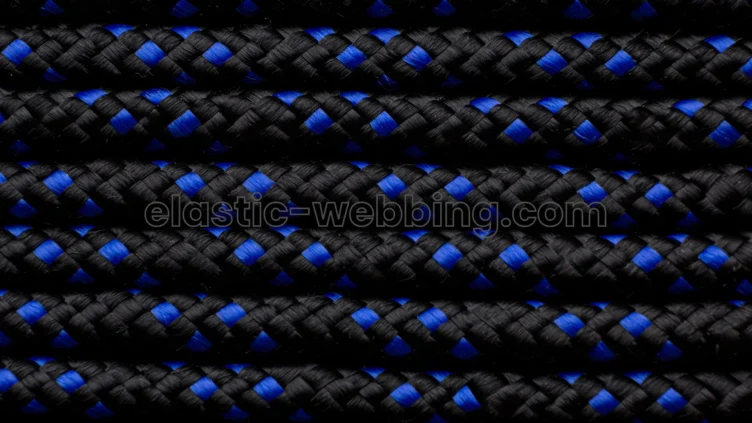
- Available in flat (solid) webbing and tubular webbing, which is cylindrical, thicker, yet still flexible.
- Can be produced as elastic (stretchable) or non-elastic (rigid), depending on its function.
Unlike regular ropes, which are round or twisted, webbing has a flat, wide surface. This allows it to distribute loads more evenly, making it safer for body harnesses, seat belts, and heavy lifting equipment.
Webbing Factory and Webbing Tape Manufacturer: Role in Industry
The webbing industry continues to grow alongside increasing demand for strong and flexible materials across various sectors. Below is a complete explanation of its role, production process, and quality standards.
Role of Webbing Manufacturers in Textile Manufacturing
To understand the importance of this industry, it is necessary to see how manufacturers contribute directly to various sectors. Their main roles include:
- Main component supplier: Providing essential materials for garments, bags, and outdoor equipment.
- OEM/ODM partner: Many manufacturers offer production services for other brands, allowing companies to market products under their own identity without owning production facilities.
- Support for strategic sectors: Supplying specialized needs for military equipment, automotive seat belts, and even aerospace industries.
Webbing Tape Production Process
After understanding its role, the production process becomes a key factor determining product quality. The manufacturing of webbing tape involves structured and precise stages:
- Material selection: Using synthetic materials such as polypropylene, nylon, or polyester known for durability.
- Weaving process: Yarns are woven using specialized machines to create strong, flat straps.
- Finishing process: Additional treatments improve durability, strength, and overall quality.
- Customization: Manufacturers offer custom options such as color, size, and design (e.g., Jacquard tape).
Quality Standards of Webbing Manufacturers
Quality standards are crucial because webbing is often used in high-risk applications. Key standards include:
- Strict quality control: Products undergo testing to ensure tensile strength and durability.
- International certifications: Trusted manufacturers often have certifications such as Oeko-Tex Standard 100 and TKDN compliance.
- High precision: Modern machinery ensures consistent quality and export-grade standards.
- Specific safety standards: Products used in military or safety sectors must meet strict requirements.
Types of Webbing Tape Commonly Used
Manufacturers in Indonesia produce various types of webbing to meet diverse industrial needs.
1. Polyester Webbing
Polyester is widely used due to its resistance to load and weather conditions. Its strong fiber structure makes it suitable for garments, bag straps, and industrial applications.
2. Nylon Webbing
Nylon is known for its high strength and extreme durability. Variants include:
- Ultra Abrasion Resistant Nylon: Highly resistant to friction
- Reinforced cotton nylon: Unique texture with strong core material
This makes it ideal for military gear, parachutes, and aerospace applications such as aircraft seat belts.
3. Polypropylene (PP) Webbing
Polypropylene is lightweight yet strong and more affordable. It is commonly used for daily applications such as straps, commercial products, and outdoor gear.
4. Elastic Webbing
Unlike rigid webbing, elastic webbing can stretch, offering higher flexibility. Applications include:
- Garment industry: Underwear and sportswear
- Furniture: Sofa support (sofa webbing)
- Mattresses: Mattress tape
Functions of Webbing in Various Industries
Thanks to its strength, flexibility, and durability, webbing is widely used across industries.
1. Fashion and Apparel Industry
- Clothing accessories such as belts, labels, and military apparel
- Elastic tape for underwear and sportswear
- Accessories like bag straps, sandals, medal ribbons, camera straps, and guitar straps
2. Furniture and Interior (Sofa Webbing)
- Used as a support structure in sofas and chairs
- Applied in mattresses and spring beds to enhance durability
3. Automotive and Safety (Seat Belts)
- Used as the base material for seat belts in vehicles
- Applied in aviation for flight uniforms and aircraft safety belts
- Essential for body harnesses and safety equipment
4. Heavy Industry and Logistics
- Used for cargo securing during transportation
- Essential in outdoor gear, parachuting, and military equipment
- Designed to withstand extreme pressure and long-term use
Webbing Tape Prices in the Market
Webbing tape prices in Indonesia are relatively competitive, especially when purchased directly from manufacturers or distributors.
- Prices generally start from Rp750 per piece with a minimum order of 100 pcs
Factors affecting price include:
- Material: Nylon with ultra abrasion resistance is more expensive
- Dimensions: Custom sizes affect production costs
- Technical specifications: Additional treatments increase cost
- Customization: Special colors and Jacquard designs are more expensive
Flat webbing is usually the most economical, while premium webbing for military, aerospace, or heavy lifting applications is more expensive due to strict quality standards.
Advantages of Using Products from Professional Webbing Manufacturers
- Consistent and standardized quality
- Custom sizes and specifications
- Large production capacity
- Export support and certifications
Tips for Choosing the Right Webbing Tape Manufacturer
- Experience and reputation: Indicates reliability and consistency
- Material and finishing quality: Ensures durability and safety
- Customization capability: Important for specific industrial needs
- Competitive pricing and service: Balance between cost and quality
Need High-Quality Webbing Tape from a Trusted Manufacturer?
Choosing a trusted webbing tape manufacturer is essential to ensure product quality, safety, and durability. Experienced manufacturers like BSS offer manufacturing solutions with international standards.
PT Bintang Surya Sejati Sukses (BSS) can become a strategic partner in developing webbing-based products. To achieve the best results, consult your requirements directly so every specification can be tailored precisely and efficiently.
Read Too: Custom Lanyard Manufacturer: Definition, Functions, and Types