
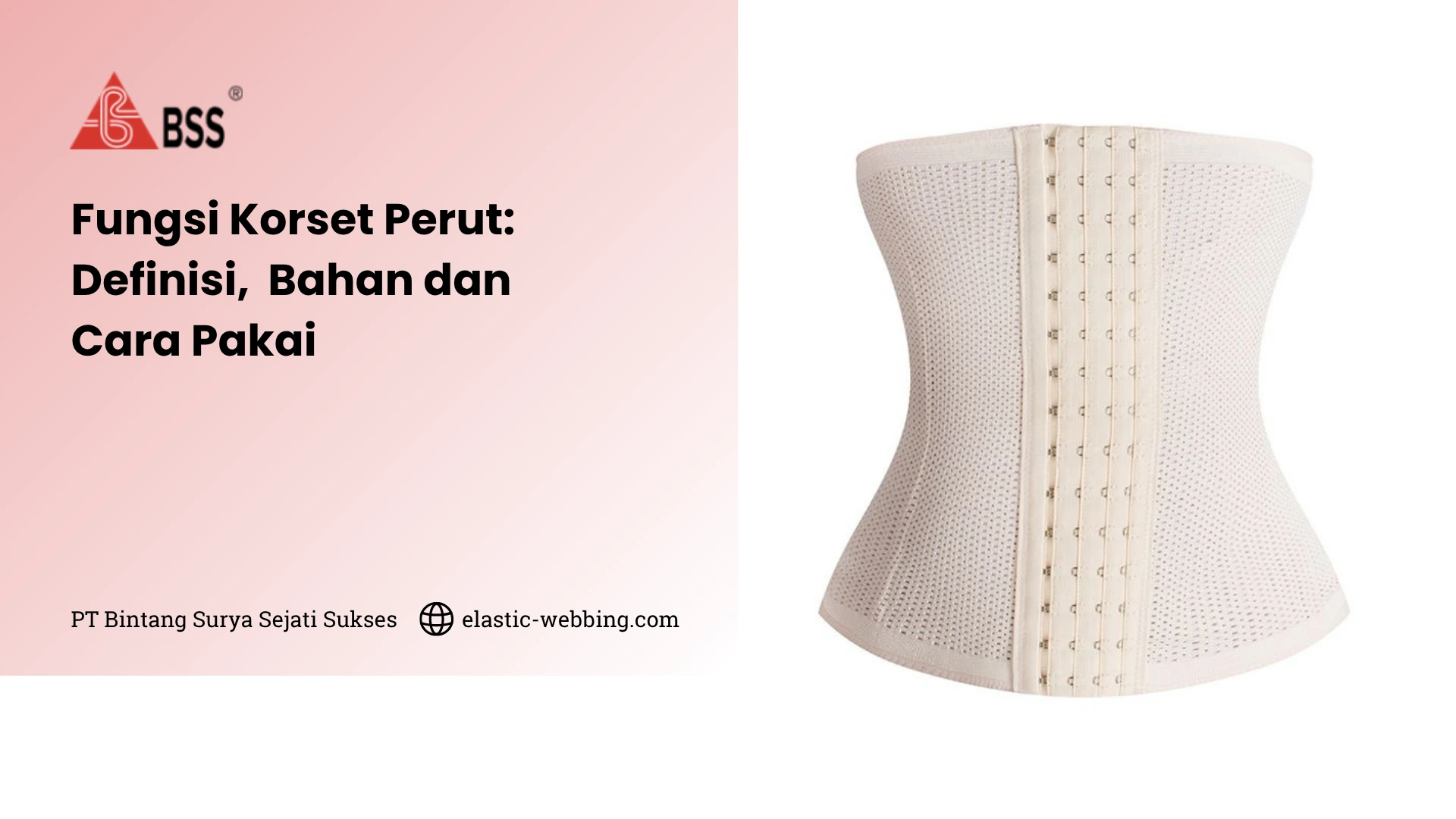


An abdominal corset is a practical solution widely used to enhance appearance while maintaining body comfort during various activities. This article will explain in detail the functions of an abdominal corset, as well as the factors that influence its price in the market.
More than just a body-shaping tool, corsets are now available with various materials and evolving technologies. Manufacturers like BSS play an important role in providing high-quality elastic materials that support comfort during use.
Definition of an Abdominal Corset
An abdominal corset, often referred to as a waist trainer, is a belt-like or specially structured garment worn around the stomach and waist area. Its main functions are to support the core, create a slimmer body silhouette instantly, and maintain proper posture.
However, it is important to understand that corsets do not burn fat. They only help shape the body’s appearance temporarily, so optimal results still require exercise and a healthy diet.
Who Needs an Abdominal Corset?
Abdominal corsets are used by various groups for different purposes, not only for aesthetics but also for health and daily activities.
Common users include:
- Individuals who want a slimmer appearance instantly, especially when wearing formal attire such as traditional dresses or gowns
- People who want to improve posture while sitting or standing for long periods
- Postpartum mothers who need abdominal support
- Post-surgery patients who require additional support during recovery (based on medical advice)
- Individuals with spinal issues such as scoliosis or chronic lower back pain
- Workers who frequently lift heavy objects
- Women during menstruation to help reduce cramps with light compression
Types of Abdominal Corsets
As user needs evolve, corsets come in various types with more specific functions:
- Traditional corset (true corset): Made from strong materials like leather or brocade with steel boning and lacing system
- Latex waist trainer: Modern, flexible version with latex and cotton, using hook-and-eye closures
- Postpartum corset: Designed for post-birth recovery with soft, breathable materials
- Full body corset: Covers a wider area including hips for maximum support
- Medical corset: Used for orthopedic needs and customized to the patient’s body
- Non-boned corset: Lightweight and flexible for daily use
Read Too: What Is Elastic Bandage: Functions, Sizes, and How to Apply It
Functions of an Abdominal Corset
1. Medical Function: Postpartum and Post-Surgery Recovery
- Helps tighten abdominal muscles after childbirth
- Provides support and reduces pain after surgery
- Recommended for conditions like scoliosis or chronic back pain
- Helps relieve menstrual cramps by applying gentle pressure
2. Aesthetic Function: Body Shaping
- Creates a slimmer waist and flatter stomach instantly
- Enhances confidence in formal settings
- May help control appetite due to abdominal pressure
Important Note: Corsets do not burn fat or provide permanent results without lifestyle changes.
3. Posture Support and Injury Prevention
- Helps maintain upright posture
- Reduces risk of back injuries during heavy activities
- Acts as a reminder to keep proper body alignment
Risks and Side Effects
Improper use can cause:
- Breathing problems: Excess pressure on the chest
- Digestive issues: Risk of GERD or constipation
- Skin irritation: Due to sweat and friction
- Muscle weakening: From long-term dependence
- Organ pressure: Affecting internal organs
- Bone structure changes: If worn too tightly for too long
6 Types of Corset Materials
1. Neoprene
Flexible and suitable for sports activities.
2. Spandex/Elastane
Highly elastic and comfortable for daily use.
3. Latex
Provides strong compression and instant shaping effect.
4. Cotton
Soft, breathable, and ideal for sensitive skin.
5. Nylon and Mesh
Lightweight and breathable, good for long use.
6. Bamboo Fiber
Eco-friendly, soft, and naturally antibacterial.
Tips for Choosing the Right Material
- Match material with purpose (medical vs aesthetic)
- Consider skin sensitivity
- Choose the correct size
- Follow medical recommendations if needed
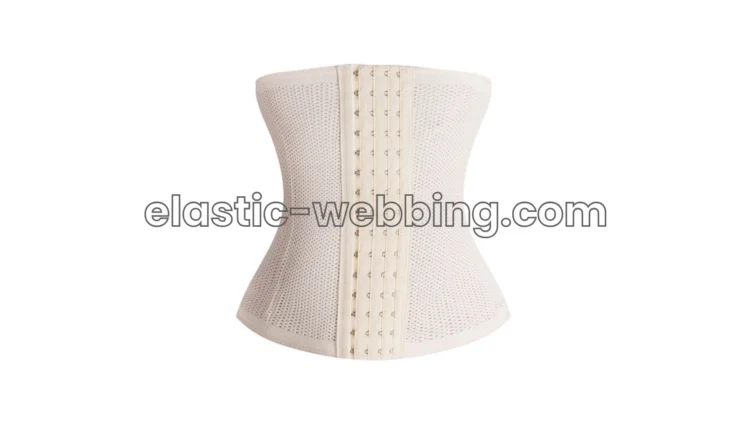
How to Use an Abdominal Corset
Choosing the Right Size
- Follow the size chart
- Measure waist in a relaxed state
- Avoid sizes that are too tight
Steps to Wear It Properly
- Tighten gradually (for lace corsets)
- Start from the loosest hook (for waist trainers)
- Adjust Velcro (for postpartum corsets)
- Ensure it’s snug but not restrictive
Recommended Duration
- Beginners: 1–2 hours/day
- After adaptation: 3–4 hours/day
- Maximum: 6–10 hours/day
- Avoid wearing during sleep
Safety Tips
- Remove immediately if discomfort occurs
- Choose breathable materials
- Combine with healthy lifestyle
- Consult a doctor if needed
How to Care for a Corset
- Wash regularly to prevent bacteria buildup
- Follow care instructions
- Protect internal structure (boning) during washing
The Role of Quality Materials
In conclusion, the quality of an abdominal corset depends not only on design and usage but also on the materials used. This is where PT Bintang Surya Sejati Sukses (BSS) plays a crucial role as a trusted narrow fabrics manufacturer providing high-quality elastic webbing.
With European-standard machinery, integrated production systems, and customization capabilities, BSS ensures a balance of strength, elasticity, and comfort. Its global standards guarantee durability and safety for both daily and medical use.
Read Too: What Is a Woven Bag? Types, Functions, and Benefits